Kaiseki and the pleasure of paying attention
Date: October 18, 2026
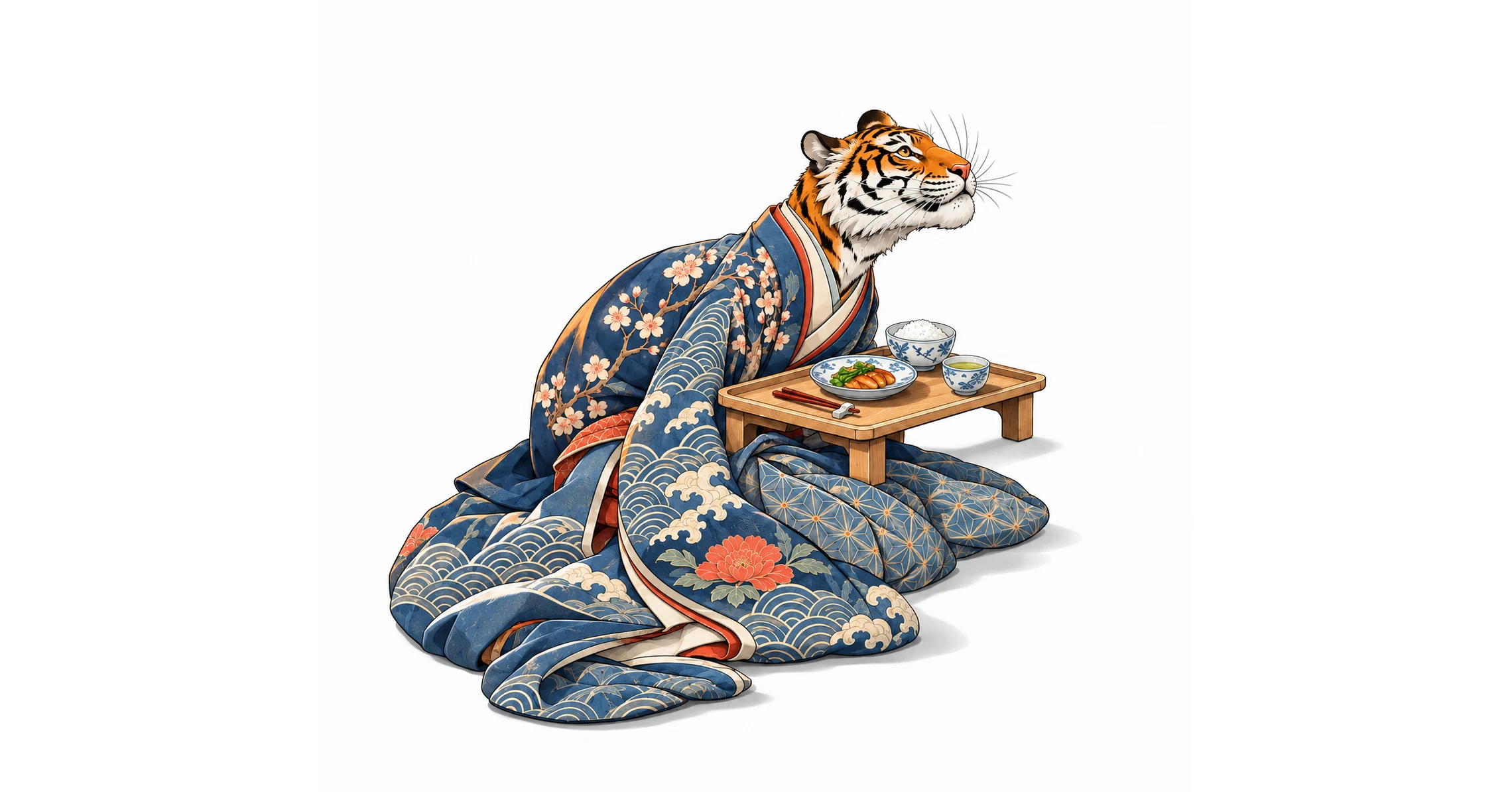
In January 2013, I went to Japan for a work trip with Philip Morris. During the day, I worked. In the evenings, I explored the food. Sometimes I managed two or three dinners in the same night.
I was curious, and one dinner kept giving me reasons to have another. There was an enormous amount to discover, far beyond the small part of Japanese cooking I already knew.
What stayed with me was the attention I began giving to things I usually passed over: the texture of an ingredient, the temperature at which something arrived, the shape of a bowl, the order in which I ate. A meal could hold my attention through very small decisions.
I still think about that trip when I come back to kaiseki.
The meal as a whole
Kaiseki is one tradition within that much larger culinary world. Closely associated with Kyoto, it brings together small, seasonal dishes in a carefully considered meal. It has historical connections with the food served at the tea ceremony. The season influences the ingredients, their preparation and their presentation.
That gives the cook something specific to respond to: what is good here, at this time of year, for these guests.
I like the relationship between all the parts. A soft texture becomes more interesting beside something crisp. A warm dish feels different after a cool one. The flavour of a broth, the weight of a bowl and the space around a small portion all contribute to the experience.
The choice of ceramics, lacquerware and decoration belongs to that same tradition of hospitality. I find the texture of these objects particularly beautiful. A rough ceramic surface and a smooth glaze give the hand different information before the food has even been tasted.
There is a lot of work behind an experience that feels natural. Someone has thought about how each part will be encountered, and about what should come before and after it.
The individual dishes matter. So does the meal they make together.
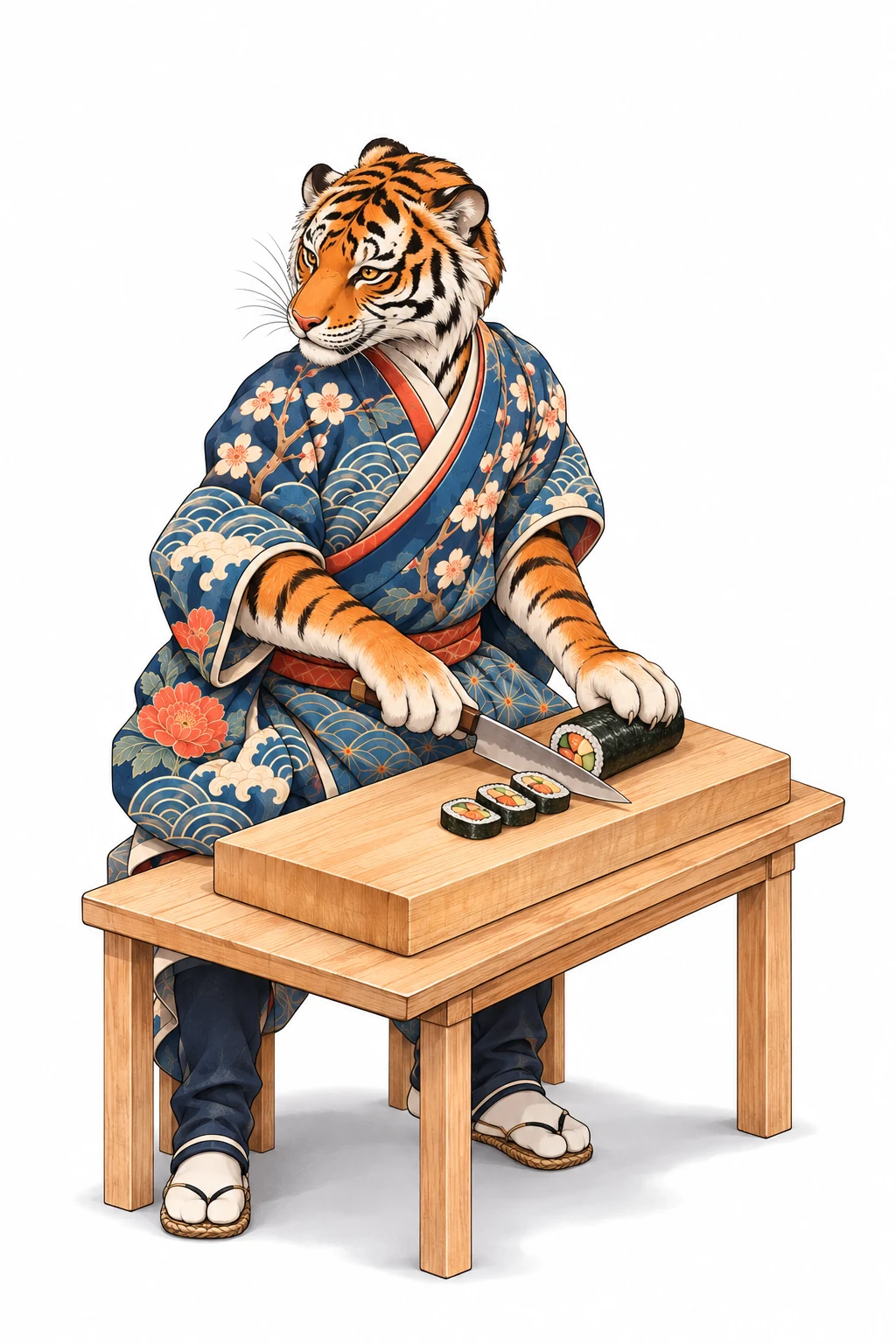
Making a digital product
Years later, I recognise a similar problem in building software.
It is easy to discuss a product as a collection of capabilities. We can describe the features, compare them with competitors and put the differences in a table. The person using the product encounters something more continuous: an expectation, a first action, a wait, a result, perhaps a moment of confusion.
Those moments have an order. Each one changes how the next one feels.
At Askdata, we wanted people to ask questions of their data in ordinary language. That ambition made sense in a sentence. Making the experience work required attention to everything around the question as well: what someone could ask, how they understood the answer, and what happened when the system could not give them what they needed.
A useful answer loses much of its value if the person cannot tell where it came from. A technically correct error message can still leave someone stranded. A screen full of possibilities can make a first step harder to find.
This is where the comparison with a meal helps me. The quality of each component has to survive contact with the whole experience. Adding another feature changes that experience, even when the feature works exactly as intended.
I find myself asking more concrete questions. What should the person be able to do first? What can wait until they need it? Where will they hesitate? When something fails, can they recover without needing an explanation from us?
These decisions often receive less attention than the impressive part of a demonstration. They determine whether someone wants to use the product again.
Care under constraints
There is a practical limit to the comparison. A startup cannot spend forever arranging the plate. We need to put things in front of customers, discover what we have misunderstood and change them while there is still time and money to do so.
For me, care includes deciding where to spend that effort. In an early product, one useful action completed reliably may deserve far more work than a polished set of secondary screens. A rough prototype can be a good way to learn whether the underlying idea is worth pursuing.
The judgment is in knowing what the experience needs at this stage.
I also like the discipline of working with what is available. A seasonal kitchen starts with ingredients that are good now. Building a company involves its own particulars: the people on the team, what the technology can actually do, the customer's circumstances and the resources we have. I make better decisions when I pay attention to those particulars.
With Cyberwave, that attention becomes very tangible. A command has to become a useful physical action. Someone needs to understand what the machine is doing, recognise when it needs help and be able to intervene. The experience includes the moments when everything goes well and the moments when it does not.
Thinking through those moments is part of making the product.
Beyond work
I enjoy finding these connections. I also want to leave room for the meal itself.
Food is one of the pleasures of travelling for me: a way of following curiosity into something I do not yet understand. That January trip gave me evenings I still want to write about thirteen years later. The work took me there. Exploring gave the trip much of its texture.
I spend a lot of my life thinking about what comes next. The next product, the next customer, the next problem to solve. At a table, I can give my attention to something already in front of me: the food, the person I am with, an object someone has made well.
Kaiseki gives that kind of attention a form. A particular season, a sequence of dishes, a meal prepared for particular people. I am drawn to the care involved, and to the pleasure of receiving it.
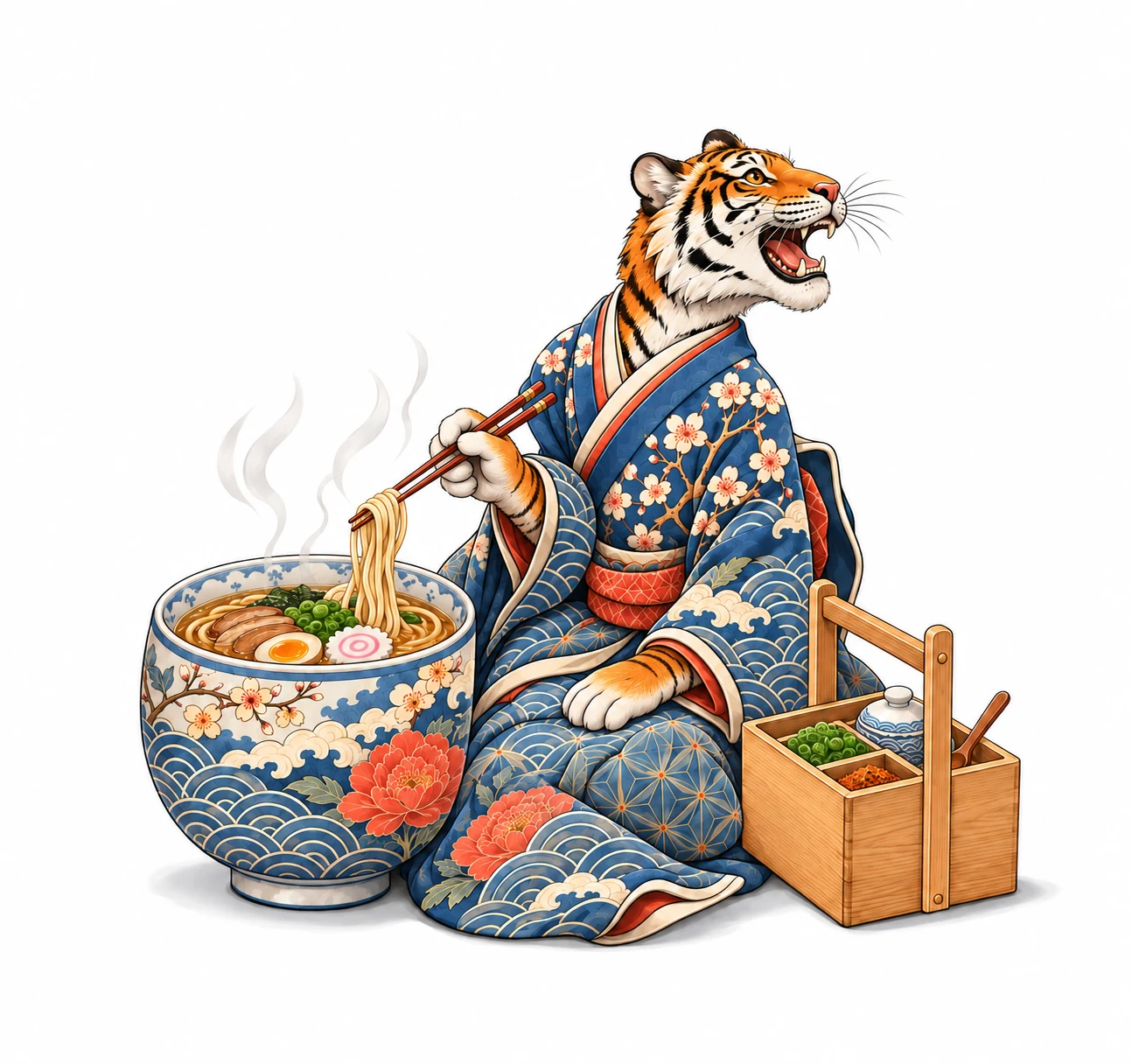
I want to bring more of that attention into the things I build and the way I spend my time. There is satisfaction in making something work, and another pleasure in noticing what makes it good.
I would probably still have the second dinner.