The power of beauty
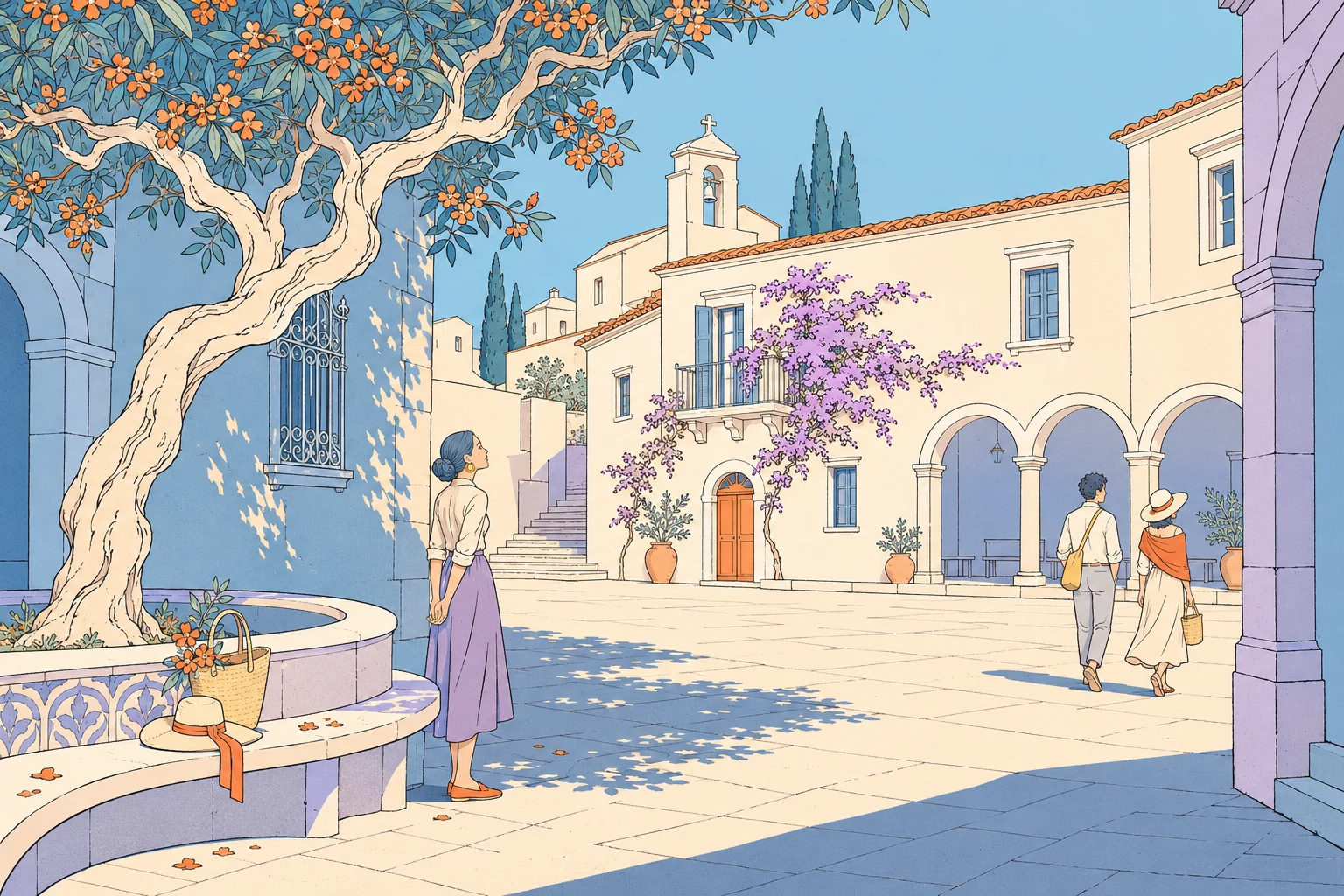
I care about the appearance of the places we share. A well-kept street or a thoughtful public space can make everyday life more pleasant. I am interested in what that attention says about how we value a place and the people who use it.
The broken windows theory, proposed by James Q. Wilson and George L. Kelling, connects visible disorder with antisocial behaviour. I would separate that debate from the more modest argument I want to make here: shared spaces deserve care. Beauty alone does not establish a causal explanation for crime.
The details matter: somewhere to sit, a wall repaired, a design that makes a space welcoming. I value these improvements for the experience they offer the people who use them.
Two public-space projects
New York’s High Line turned an elevated railway into a public park. It is an example of finding a new use for infrastructure while retaining something of its history.
In Rio de Janeiro, the Favela Painting project brought artists and local residents together to paint buildings and public spaces. The collaboration is as interesting to me as the visual result. I would avoid attributing changes in crime or employment to the paint alone.
I want cities to make room for this kind of care, including in places that receive little attention. People should be able to find something beautiful on an ordinary day.